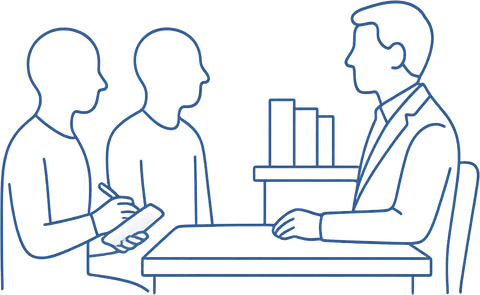
Professional Interpretation Services

Professional Lao Interpretation Services

Lao interpreters for immigration hearings, asylum interviews, legal proceedings, and medical appointments. Our interpreters are native Lao speakers experienced with Laotian legal and administrative terminology.

7+ million speakers ພາສາລາວ

Why Lao Interpretation Requires Specialists

Our Lao interpreters are native speakers of ພາສາລາວ (Phasa Lao) recruited from the Lao-American community — approximately 200,000 strong, concentrated in California, Texas, Minnesota, and the Pacific Northwest. The Lao-American community is predominantly a refugee-origin population that fled Laos after the Pathet Lao communist takeover in 1975, with many having survived re-education camps (ສຳມະນາ/samana — literally "seminar," the euphemism for political imprisonment), dangerous Mekong River crossings, and years in Thai refugee camps before U.S. resettlement. Lao is a tonal language with six tones that distinguish meaning — mispronouncing a tone changes the word entirely. Our interpreters understand the critical distinction between Lao and Hmong: ethnic Lao (ລາວລຸ່ມ/Lao Loum, lowland Lao) speak Lao, while Hmong speakers from Laos speak an entirely different, unrelated language. Using a Lao interpreter for a Hmong speaker (or vice versa) is a fundamental error. Our interpreters handle the Buddhist terminology (ບຸນ/boun, ກັມ/kam, ວັດ/wat) embedded in Lao culture and communication, the legacy of the Pathet Lao/Royal Lao Government political division, and the specific Lao PDR governmental vocabulary used in contemporary documents.

Whether you need a Lao interpreter for an immigration hearing involving refugee resettlement documentation, a family court matter with Lao Buddhist marriage references, or a psychiatric evaluation for an elderly Lao refugee with re-education camp PTSD, our Lao interpretation team provides native-speaker fluency with deep understanding of the refugee experience that defines the Lao-American community.

Court-qualified Lao interpreters available for legal proceedings, depositions, and hearings in all 50 states

Medically trained interpreters with CMI/CHI certification for healthcare settings

Rapid booking — confirmed within 24 hours, same-day and emergency requests available

On-site, video remote (VRI), and telephone (OPI) options — 24/7 availability

Where Our Lao Interpreters Work

From USCIS field offices to hospital operating rooms, our Lao interpreters are qualified for every professional setting where accurate communication is non-negotiable.

Immigration

USCIS & Immigration Court

Lao interpretation for immigration proceedings involving naturalization interviews for elderly Lao refugees with limited English, family-based petition interviews connecting Lao-Americans to relatives still in Laos, adjustment of status cases, and the occasional asylum claim from Lao nationals facing political persecution or religious minority targeting in the Lao PDR. Our interpreters understand the refugee resettlement history that shapes every Lao-American immigration case.

Court-Qualified

Legal Proceedings & Depositions

Court-qualified Lao interpreters for criminal defense, family law, and civil proceedings. Our interpreters handle cases involving Lao Buddhist marriage customs (the ສູ່ຂວັນ/su khwan ceremony and sin sod bride price tradition), community-based dispute resolution, and criminal cases where Lao-speaking defendants require language access. We ensure accurate tonal interpretation in high-stakes legal settings.

HIPAA Compliant

Healthcare & Medical

HIPAA-compliant Lao interpretation for hospitals, clinics, and mental health facilities. Our interpreters handle Lao patients' cultural health communication — including references to lost ຂວັນ/khwan (soul), traditional Lao medicine (ຢາສະໝຸນໄພ/herbal remedies), and the Buddhist concepts of illness causation — while ensuring precise clinical communication for conditions ranging from diabetes (common in the Lao-American community) to trauma-related mental health conditions.

Community

Community & Social Services

Lao interpretation for social services agencies, school enrollment, refugee resettlement follow-up, community organizations, and Buddhist temple (ວັດ/wat) events serving the Lao-American community. Our interpreters understand the intergenerational dynamics of the Lao refugee community — from elderly survivors of re-education camps who speak no English to U.S.-born Lao youth navigating family obligations.

How You Connect with Your Lao Interpreter

Choose the option that fits your setting — in-person for courtrooms and hospitals, video for remote hearings and telehealth, or phone for urgent and after-hours needs.

In-Person

On-Site Interpretation

A professional interpreter physically present at your location — courtroom, hospital, office, or event. Ideal for legal proceedings, medical consultations, and high-stakes meetings where face-to-face communication and body language are critical.

Court hearings & depositions
Medical appointments & surgeries
Business negotiations
Immigration interviews
Video

Video Remote (VRI)

Face-to-face interpretation via secure video platform. Combines visual cues with the convenience of remote access — perfect for healthcare, legal consultations, and hearings where an in-person interpreter isn't available on short notice.

Telehealth & virtual visits
Remote court hearings
Virtual depositions
IEP & school meetings
On-Demand

Telephone (OPI)

On-demand phone interpretation available 24/7, 365 days a year. Connect with a qualified interpreter in under 60 seconds — no appointment needed. Essential for emergency rooms, after-hours calls, 911 dispatch, and urgent legal consultations.

24/7 emergency access
ER & urgent care triage
After-hours legal calls
Government helplines

Lao Interpretation for Immigration & Legal Proceedings

Lao immigration cases in the U.S. are primarily shaped by the refugee legacy — the majority of Lao-Americans arrived as refugees after 1975, and ongoing immigration involves family reunification, naturalization of elderly refugees, and occasional new asylum claims. Our interpreters understand the Buddhist calendar dating system (BE dates on all Lao documents), the Lao PDR governmental structure, and the refugee camp documentation systems that still affect Lao-American immigration filings.

Why Lao Interpretation Requires Expertise

Interpreting Lao in high-stakes settings demands more than bilingual fluency — it requires specialized training, cultural competence, and domain expertise.

Tonal Language Precision

Lao has six lexical tones — low, mid, high, rising, high-falling, and low-falling — that change word meaning entirely. The syllable "khao" with different tones can mean rice, white, news, horn, or enter. Real-time interpretation requires native tonal control; non-native speakers consistently mistranslate tonal distinctions, creating dangerous errors in legal and medical contexts where the wrong word could alter the entire meaning of testimony or a patient's reported symptoms.

Lao vs. Hmong — Entirely Different Languages

A persistent error in U.S. legal and medical settings is conflating "Lao" with "Hmong." Ethnic Lao (Lao Loum) speak Lao, a Tai-Kadai language; Hmong speakers speak a Hmong-Mien language with no linguistic relationship to Lao. Many Hmong arrived from Laos as refugees, but their language is not Lao. Interpreters, agencies, and courts must correctly identify whether the client speaks Lao or Hmong before assigning interpretation — the two are completely unintelligible to each other.

Buddhist Concepts and Cultural Framework

Lao culture is deeply rooted in Theravada Buddhism, and Lao speakers embed Buddhist concepts into everyday communication — ບຸນ/boun (merit), ກັມ/kam (karma), ບາບ/baap (sin/demerit), ຂວັນ/khwan (soul/spirit essence), and ສູ່ຂວັນ/su khwan (soul-calling ceremony). In medical contexts, a patient may attribute illness to lost khwan; in legal contexts, a witness may reference kam as explanation for events. Interpreters must convey these concepts accurately without either dismissing them or over-explaining.

Re-Education Camp and Political Vocabulary

Elderly Lao-Americans frequently reference the ສຳມະນາ/samana (re-education camps) where former Royal Lao Government officials, military personnel, and civil servants were detained after 1975 — some for over 15 years. Terms like ປ່ຽນສ້າງຄືນໃໝ່ (political re-education), ຄ້າຍ (camp), and ແຮງງານບັງຄັບ (forced labor) appear in asylum narratives and naturalization interviews. Interpreters must handle this political vocabulary with historical accuracy and emotional sensitivity.

How to Book a Lao Interpreter

Our streamlined process gets you a qualified, vetted Lao interpreter — on-site or remote — with confirmation in as little as 24 hours.

Step 01

Order an Interpreter

Tell us the language, date, time, location (or remote), setting type (legal, medical, business), and any specialization requirements. Submit via our portal, email, or phone.

Step 02

Interpreter Matching

We match you with a qualified interpreter based on language pair, dialect, subject-matter expertise, certifications, and your specific setting. Court-qualified and medically certified interpreters are prioritized for legal and healthcare assignments.

Step 03

Confirmation & Prep

Receive confirmation with your interpreter's credentials and assignment details within 24 hours. For complex cases, your interpreter reviews relevant materials in advance to ensure accuracy during the session.

Step 04

Interpreter Joins Your Session

Your interpreter arrives on-site or connects remotely at the scheduled time — fully prepared, professionally dressed, and bound by strict confidentiality agreements. Post-session reports available upon request.

Industries We Serve with Lao Interpretation

Our Lao interpreters bring specialized knowledge to every industry, ensuring accurate terminology and regulatory compliance.

Legal & Immigration

Court filings, immigration petitions, contracts, depositions, and legal correspondence.

Healthcare & Medical

Medical records, clinical trial documents, patient communications, and insurance forms.

Government & Public Sector

Federal, state, and local government documents, public notices, and regulatory filings.

Financial & Banking

Financial statements, audit reports, banking documents, and compliance materials.

Education & Academic

Transcripts, diplomas, research papers, and credential evaluation documents.

Corporate & Business

Contracts, presentations, marketing collateral, manuals, and corporate communications.